Airports: The Gateway to a New Life
Every journey abroad starts in an airport—a place charged with anticipation, goodbyes, and the weight of the unknown. The moment you step through security, reality hits: you're leaving behind the familiar and stepping into a chapter that is unwritten.
At first, airports are nothing more than transit hubs. You go through the motions—passport check, boarding, finding your seat among a sea of strangers. But the emotional weight is undeniable. The realization that, once you land, life will no longer follow the predictable patterns you’ve known is exhilarating and terrifying in equal measure.
Then, there’s the arrivals. The confusion of navigating a foreign airport, the scramble to understand signs in a new language, the immediate immersion into an unfamiliar culture the moment you step outside. Suddenly, the smallest details—how people queue, the scent of the air, the background chatter—feel overwhelming.
That first airport experience sets the tone for studying abroad. It teaches you that discomfort is inevitable, but so is excitement. It reminds you that every destination carries a story waiting to be lived.
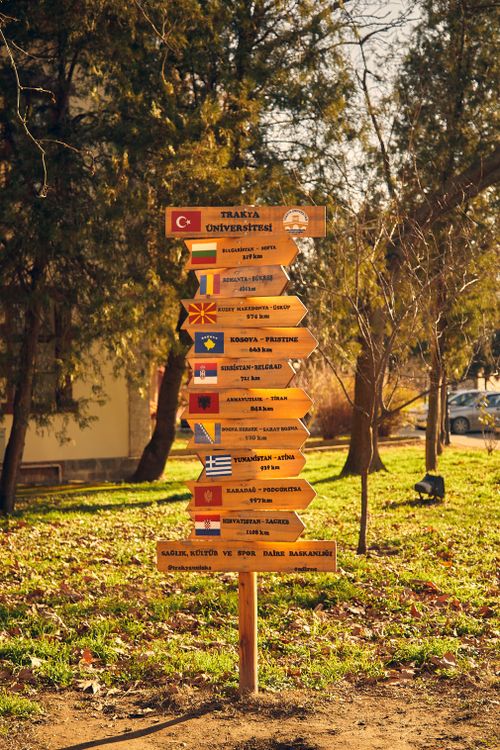
Accents: The Challenge and Beauty of Communication
Language is the bridge—or sometimes, the barrier—between cultures. Even if you’ve studied the local language, nothing prepares you for hearing it spoken at full speed, decorated with slang and layered with nuances beyond textbooks.
Accents add another dimension to the challenge. Even within a single country, dialects shift, words morph, and intonations carry meaning beyond their dictionary definitions. At first, every conversation feels like a decoding mission. You strain to catch familiar words, relying on gestures and context to piece together meaning.
Mistakes are inevitable. You mix up words, mispronounce names, nod when you don’t fully understand. But in those awkward moments, there’s beauty—because language is not just about fluency, but about effort. Locals appreciate the attempt, laughing with you rather than at you, guiding you through corrections with patience rather than judgment.
Through language struggles, you learn resilience. You discover that understanding isn’t just about words, but about intent, expression, and the willingness to keep trying.
Academics: More Than a Degree, A Lesson in Adaptation
Studying in a foreign country is more than just attending classes—it’s adapting to a different academic culture, learning new ways of thinking, and sometimes, struggling to meet expectations that feel unfamiliar.
Lecture styles vary. Some professors encourage open debates, while others demand rigid structure. Assignments may follow formats you’ve never encountered, grading systems may be entirely different from what you’re used to. At first, it’s overwhelming, like trying to play a game when you haven’t quite learned the rules.
But over time, you adjust. You develop new study habits, sharpen critical thinking in ways you hadn’t before, and learn how to navigate a system different from the one you came from.
And in the process, you realize that education isn’t just about absorbing information—it’s about adapting, questioning, and evolving your understanding of the world.
The Triple A Experience: Why Studying Abroad Changes Everything
By the time the semester ends, airports feel familiar, accents no longer intimidate, and academics become second nature. You’ve grown—not just as a student, but as a person navigating a world far bigger than you once imagined.
Studying abroad teaches more than textbooks ever could. It redefines how you see language, travel, and learning itself. And in the end, you don’t just walk away with a degree—you walk away with an experience that reshapes the way you engage with the world.