Packing Dreams & Doubts: The Beginning of an Adventure
It all started with a single suitcase—an overstuffed, slightly worn piece of luggage that contained more than just clothes. It carried my expectations, my fears, and my hopeful ignorance of what lay ahead. I was about to leave behind everything familiar—my routines, my comfort zones, and my carefully curated life—to step into an unfamiliar country and a semester that promised transformation.
Excitement bubbled beneath the anxiety. I had spent weeks preparing, researching cultural norms, learning basic phrases in a new language, and picturing myself effortlessly blending into a foreign city like I belonged there. But nothing prepares you for reality quite like stepping off the plane and realizing you are truly, completely outside your element.
The first few days felt like an out-of-body experience. The streets were alive with an energy I wasn’t yet part of, conversations moved at a pace I couldn’t keep up with, and simple tasks—ordering food, navigating public transport, finding my way to class—became small but exhausting obstacles. Every moment reminded me that I was a stranger here, fumbling through unfamiliar customs with a mix of curiosity and self-doubt.
Culture Shock: The Lessons No One Talks About
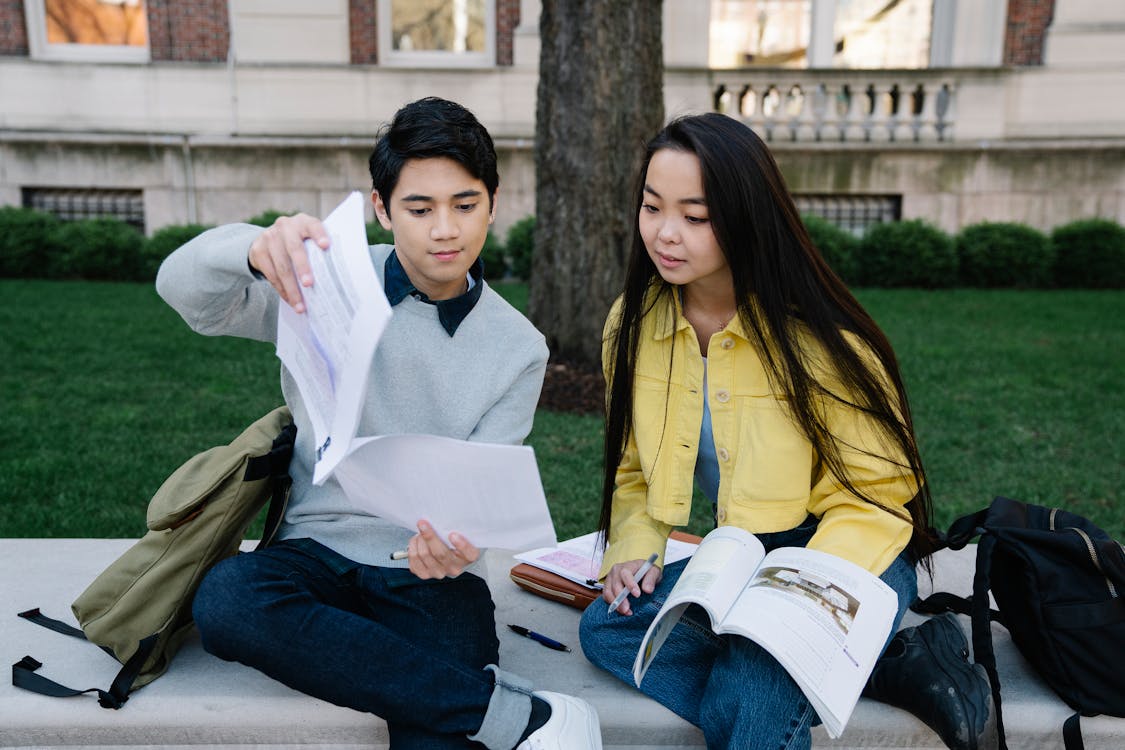
People describe culture shock like an inconvenience—something temporary, something you overcome. But that doesn’t capture its depth. It’s not just missing the food from home or struggling to communicate—it’s feeling untethered, suspended between excitement and loneliness, desperately trying to connect with a world that doesn’t yet recognize you as one of its own.
At first, everything seemed fascinating. I observed the rhythm of the city, the way people greeted one another, the small gestures that carried meaning I hadn’t yet deciphered. But fascination slowly morphed into frustration. Every social interaction required effort. Small misunderstandings added up, and my inability to express myself fully made me retreat into silence more than I liked to admit.
Then came the emotional swings. One day, I’d feel like I was figuring things out—finding my favorite café, successfully navigating a conversation, feeling less like a tourist and more like someone who belonged. The next, I’d feel helpless, exhausted by the simplest things, craving the ease of home, wondering if I was truly built for this experience.
And yet, growth happened in the discomfort. I learned patience—not just with the world around me, but with myself. I learned that mistakes were inevitable, and that the only way forward was through them. I learned that adaptation wasn’t about losing myself, but about expanding—stretching my understanding of others and, in turn, myself.
Coffee Shops & Comfort: Finding Pieces of Home in a Foreign Land
In the midst of unfamiliarity, I found my sanctuary: coffee shops. More than just places to refuel, they became the spaces where I could breathe, reflect, and reclaim a sense of normalcy.
In every city, coffee shops carry a unique charm. Some are quiet and introspective, filled with people tucked behind laptops or buried in books. Others hum with conversation, alive with students, writers, and dreamers. No matter the style, they all shared one thing—a familiarity that transcended culture, a comforting rhythm that made me feel less alone.
My favorite café had dim lighting, mismatched furniture, and the kind of atmosphere that welcomed lingering thoughts. It was here that I found pockets of peace between chaotic days, here that I slowly picked up enough of the local language to order my drink without hesitation, here that I scribbled down moments of clarity in my journal, capturing my experience before it slipped away unnoticed.
Through coffee shops, I felt the pulse of the city. I watched how people interacted, how friendships formed, how life unfolded in the quietest ways. I may have been far from home, but in those spaces, I felt like I belonged.
Looking Back: How Studying Abroad Changed Me
A semester abroad isn’t just about academia or ticking off tourist destinations—it’s about change. It’s about the uncomfortable moments of self-discovery, the beautiful mess of learning through experience, the realization that growth isn’t linear, but rather a series of small moments that shape who we become.
I didn’t leave this journey with all the answers, but I left it knowing I had changed. I became more patient, more resilient, more open to embracing the unexpected. I discovered that discomfort is often the birthplace of growth, and that stepping beyond our familiar worlds teaches us lessons no textbook ever could.
More than anything, I learned that home isn’t just a place—it’s the connections we build, the comfort we find, and the sense of belonging we create, no matter where in the world we find ourselves.
This version emphasizes personal transformation while keeping the warmth and storytelling style intact. Would you like any refinements or additional details?