Lost in Pages, Found in People: How Books Helped Me Build a Home Abroad
Moving to a new country is like stepping into the first chapter of an unfamiliar book—exciting, terrifying, and full of unknowns. When I packed my bags and left my homeland, I thought I was just crossing a geographical border.
I didn’t realize I was also stepping into a story much bigger than myself—one where books would become my compass, my comfort, and eventually, my bridge to belonging.
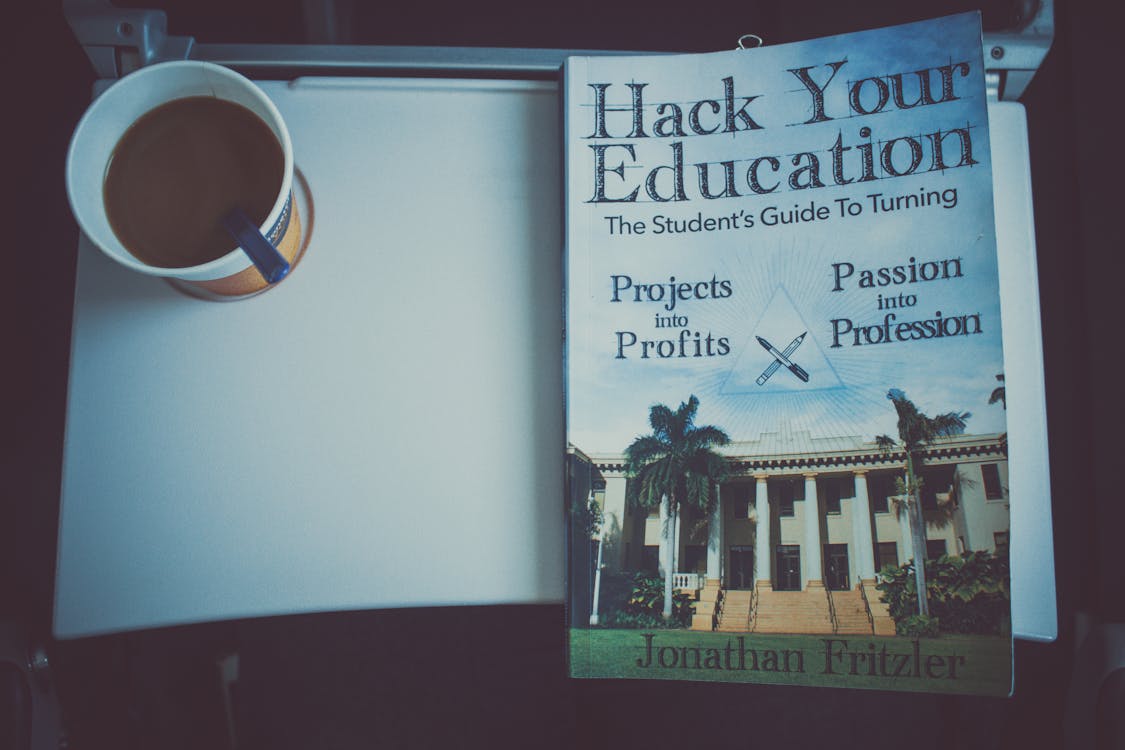
The Loneliness of New Beginnings
The first few months overseas were a blur of confusion and quiet desperation. Everything felt foreign—the language, the food, the way people laughed at jokes I didn’t understand. I missed the familiarity of home, the ease of shared history, the comfort of being known.
In those early days, I retreated into books. They were my escape, my safe space. A well-worn novel could transport me back to a place where words made sense, where I wasn’t the outsider.
But books did more than just distract me from loneliness—they became my silent companions. In a city where I had no friends, the characters in my books felt like old ones. I’d sit in cafés, sipping bitter coffee, flipping pages while the world moved around me in a language I was still struggling to grasp.
There was solace in knowing that, even if I couldn’t yet belong to this new place, I still belonged to the stories I carried with me.
Slowly, though, something shifted. I began to notice others like me—people hunched over books in libraries, scribbling notes in margins, or pausing in bookstores with that same look of longing.
I realized that books weren’t just my refuge; they were a shared language among strangers. A well-placed bookmark, a dog-eared page, a murmured recommendation—these were small gestures that could turn strangers into friends.
When Stories Become Conversation Starters
One rainy afternoon, I was reading in a tiny English-language bookstore when a woman next to me sighed loudly. “That’s one of my favorites,” she said, nodding at my book. We started talking—first about the story, then about ourselves.
She was from Argentina, had been living here for five years, and like me, had once felt utterly lost. That conversation led to coffee, which led to introductions to her friends, which eventually led to a book club.
That book club became my anchor. Every month, we gathered—expats, locals, travelers passing through—all brought together by stories. We argued over characters, debated themes, and sometimes just vented about the struggles of living far from home.
The books we read were more than entertainment; they were mirrors reflecting our own experiences of displacement, identity, and the search for belonging.
I started to see that books don’t just tell stories—they create them. The more I shared my favorite novels with others, the more I found people opening up about their own journeys. A Ukrainian woman told me how poetry kept her sane during the chaos of war.
A French retiree confessed he read detective novels to feel closer to his late wife, who had loved them. These conversations made borders feel softer, less rigid.
And then there were the books written by authors from my new country—stories that helped me understand the culture I was trying to weave myself into.
Reading local literature was like being handed a map to the unspoken rules, the hidden pains, the collective memories of the people around me. It didn’t erase the differences between us, but it helped me navigate them with more empathy.
Building a Home One Book at a Time
Years later, I look back and realize that the bookshelf in my apartment tells the story of my life abroad. The dog-eared novels from my first lonely months sit beside the well-loved copies passed between friends.
The local authors I struggled to understand at first now feel like old teachers. And the books I’ve given away—to new arrivals, to neighbors, to strangers in secondhand shops—feel like tiny pieces of myself left behind in this place that slowly became home.
I used to think belonging was about fitting in perfectly, about shedding the parts of me that felt foreign. But books taught me that belonging is about connection, not sameness.
It’s about finding people who see the world through a similar lens, even if their backgrounds are nothing like yours. It’s about realizing that borders—whether on maps or between hearts—can be crossed, one story at a time.
So if you’re somewhere new, feeling untethered, pick up a book. Then share it. You might just find that the right story can lead you to the people who make a foreign land feel like home.